Build a Jeep Weekend Packing List From Your Trip Profile
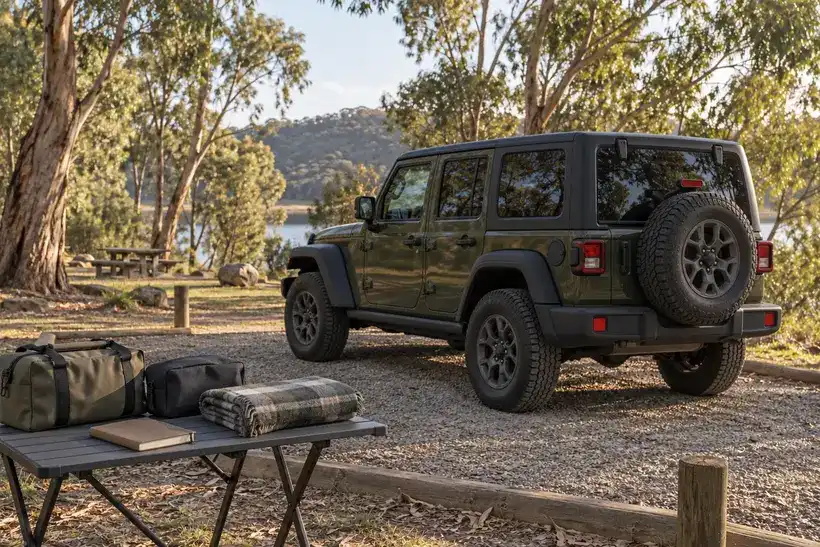
A weekend packing list can become a collection of equipment that has little connection to the trip. One bag holds items for a short campsite stay, another contains supplies from an older journey and a shared cooking box duplicates what someone else is bringing. Start with the actual weekend before deciding what belongs in the vehicle.
Write down the people, overnight arrangements, activities and information still to be confirmed. Then connect each packing decision to that profile. The result should explain who is bringing what and why, while keeping vehicle suitability and destination requirements separate from assumptions about available space.
Describe the weekend you are planning
A household choosing to sell motorbikes may be reviewing how it spends its weekends. Keep that decision separate from the Jeep packing list: equipment needs should follow the actual planned trip, rather than an assumed sale outcome or a newly available patch of garage storage. Use the list to prepare for the activities you have chosen.
Record the number of travellers, the number of nights and the type of accommodation. An established campsite, a cabin and a day outing create different packing questions. Do not start with a remote-expedition checklist and assume that every item belongs on every weekend trip.
Identify what you still need to verify. That may include accommodation provisions, current destination access information or the expected conditions for the dates involved. Mark those questions clearly instead of filling the gaps with what was true on a previous visit.
Use categories to find gaps
The NSW National Parks camping checklist groups preparation into areas including essentials, travel gear, clothing and toiletries. Use broad categories as prompts to review the needs of your own trip, rather than copying every item into a shopping list.
Create a few headings that the group can understand. Sleeping arrangements, meals, personal bags, shared camp items and trip information may be enough for an ordinary weekend plan. Keep any required safety preparation visible and seek appropriate guidance where the route or activity needs more than a general packing discussion.
Separate required items from optional comforts without treating safety needs as dispensable extras. A spare leisure item is a different decision from equipment required for the actual trip. If you are unsure which category an item belongs in, resolve that question before removing it to create room.
Confirm what is already provided
Check the accommodation or equipment booking rather than relying on a remembered description. Identify which bedding, cooking facilities or other items are actually included. A general photograph of a campsite or cabin is not a complete account of what will be available for your stay.
Record who confirmed the provision and where the current information can be found. If something remains uncertain, keep it as an open question. Do not remove an essential item from the list merely because it might be supplied.
Use the same approach when borrowing equipment. Confirm the actual item, its condition and whether it is suitable for the planned use. A promise to bring a shelter is not a detailed description of what is arriving or what supporting items it needs.
Avoid buying a new accessory solely because the list has an empty category. First establish the need and review what is already available and suitable. A clear requirement should come before the product decision.
Give shared items one clear owner
Put a person's name beside each shared item. A line that says group stove can leave everyone expecting someone else to pack it. A named responsibility and a confirmation status make the arrangement easier to follow.
Check what the shared item includes. A cooking box may contain only utensils, while another person's idea of a complete kit includes several different components. Agree the contents in plain language and follow the relevant instructions for any equipment involved.
Keep changes visible to the group. If someone can no longer bring an agreed item, update the list and resolve the gap. Avoid relying on a message buried in a separate conversation when the packing record still shows the original arrangement.
Do not use the shared list to publish private travel details or security information unnecessarily. Share the useful arrangements with the intended group and keep unrelated personal material outside it.
Match the equipment to the actual Jeep
Cargo space is only one consideration when deciding what to carry. Check the correct owner information and the requirements for the actual vehicle and fitted accessories. Where an item needs an appropriate fitting or loading assessment, obtain that advice before including it in the plan.
The guide to Jeep accessories for safety and comfort provides broader accessory context. Treat compatibility as a question for the particular model, configuration and equipment. A photograph of another owner's setup does not establish suitability for yours.
Avoid assigning a load rating or mounting purpose to an unverified part. A convenient-looking point is not automatically suitable for securing equipment. Follow the applicable manufacturer instructions and ask an appropriate provider when the arrangement is unclear.
The discussion of Jeep accessories in Australia offers additional context for evaluating options. Use your trip profile to explain the intended use, then check the actual product and vehicle requirements. Do not treat a broad accessory category as a universal recommendation.
Keep route preparation separate from ordinary packing
The Australian 4WD packing guide distinguishes equipment needs by trip and terrain. That distinction is useful even when you are planning a modest weekend: the name of the vehicle does not establish that a generic gear list prepares it or its occupants for every route.
If the plan includes an activity or route outside your experience, obtain suitable current guidance and training rather than adding equipment and assuming the gap is closed. Do not use a packing exercise as a substitute for assessing the trip's actual requirements.
The site's overview of preparing a Jeep for off-road travel provides related context. Keep technical preparation, current access information and equipment suitability as questions to verify for the planned journey. Do not transfer settings or procedures from a different vehicle or trip.
For an ordinary campsite weekend, keep the list focused while retaining the preparation needed for the actual travel. A shorter list is only useful if it remains appropriate. Removing an item because it was unused last time is not enough to establish that it is unnecessary this time.
Trial the packing arrangement before departure
Lay out the proposed bags and shared items where you can review them safely. Check the list against what is physically present. A tick beside packed should refer to the actual item, rather than an intention to collect it later.
Review how the equipment will be carried according to the vehicle and accessory instructions. Keep loading and restraint requirements distinct from the question of whether the tailgate closes. Do not overload, improvise mounting points or obstruct required visibility to fit an extra comfort item.
If the arrangement does not work, revisit the optional items, provision assumptions and suitable transport plan. Avoid moving the problem onto the roof or into an unsuitable container without checking the relevant requirements. Resolve the layout before departure rather than discovering the conflict at the campsite.
Keep an accessible record of items still missing or awaiting confirmation. A last-minute substitution may have different size, handling or compatibility requirements. Update the plan instead of assuming it can occupy the same place and serve the same purpose.
Think about arrival and the return trip
Identify which ordinary items you will need first on arrival. A personal bag or a document may be needed before the full camp setup. Arrange access within a suitable, secure loading plan rather than leaving loose items in the cabin for convenience.
Plan where used or damp belongings will go on the return journey. Keep them appropriately contained and separate from clean personal items where practical. Avoid adding an improvised exterior load because the return contents differ from the outbound arrangement.
Check shared equipment before it is handed back. Record anything that needs attention and follow the relevant care instructions. The packing list can include a return action so borrowed items do not disappear into garage storage after the weekend.
A fictional one-night packing review
Imagine two people planning one night at an established campground. One person assumes the accommodation includes bedding, while the other has packed a large sleeping bag for each traveller. Both are also bringing a cooking box because the shared list simply says camp kitchen.
The revised trip profile checks the actual accommodation provision and gives the shared cooking items one named owner. Each traveller keeps a personal bag, while unresolved equipment questions remain visible. The group reviews the vehicle arrangement against the relevant instructions before deciding which optional comforts fit.
The example does not produce a universal list. A different destination, vehicle or activity would change the questions. It shows how a few explicit responsibilities and confirmed provisions can replace duplication and uncertainty without removing preparation the trip actually requires.
Review the list after the weekend
Note which ordinary items were useful, duplicated or difficult to retrieve. Record what changed in the accommodation or group arrangements. Keep those observations as context for the next plan, rather than treating one weekend as proof that the same list suits every trip.
Retain required safety preparation even when it was not used. Review it against the next journey's needs and the relevant current guidance. The purpose of a post-trip review is to improve the decisions behind the list, rather than make it shorter at any cost.
Let the trip profile guide the packing
A useful Jeep weekend packing list connects the actual plans, confirmed provisions and shared responsibilities to the items being carried. It makes unknowns visible and keeps vehicle suitability separate from the appearance of available space.
Write the profile first, assign shared items clearly and review the real packing arrangement before departure. Update the record after the trip so the next weekend begins with useful information rather than a growing pile of unexplained equipment.